Jingdezhen Imperial Kiln Museum Invited to Participate in the 2026 Biennale dello Stretto
2026.10.02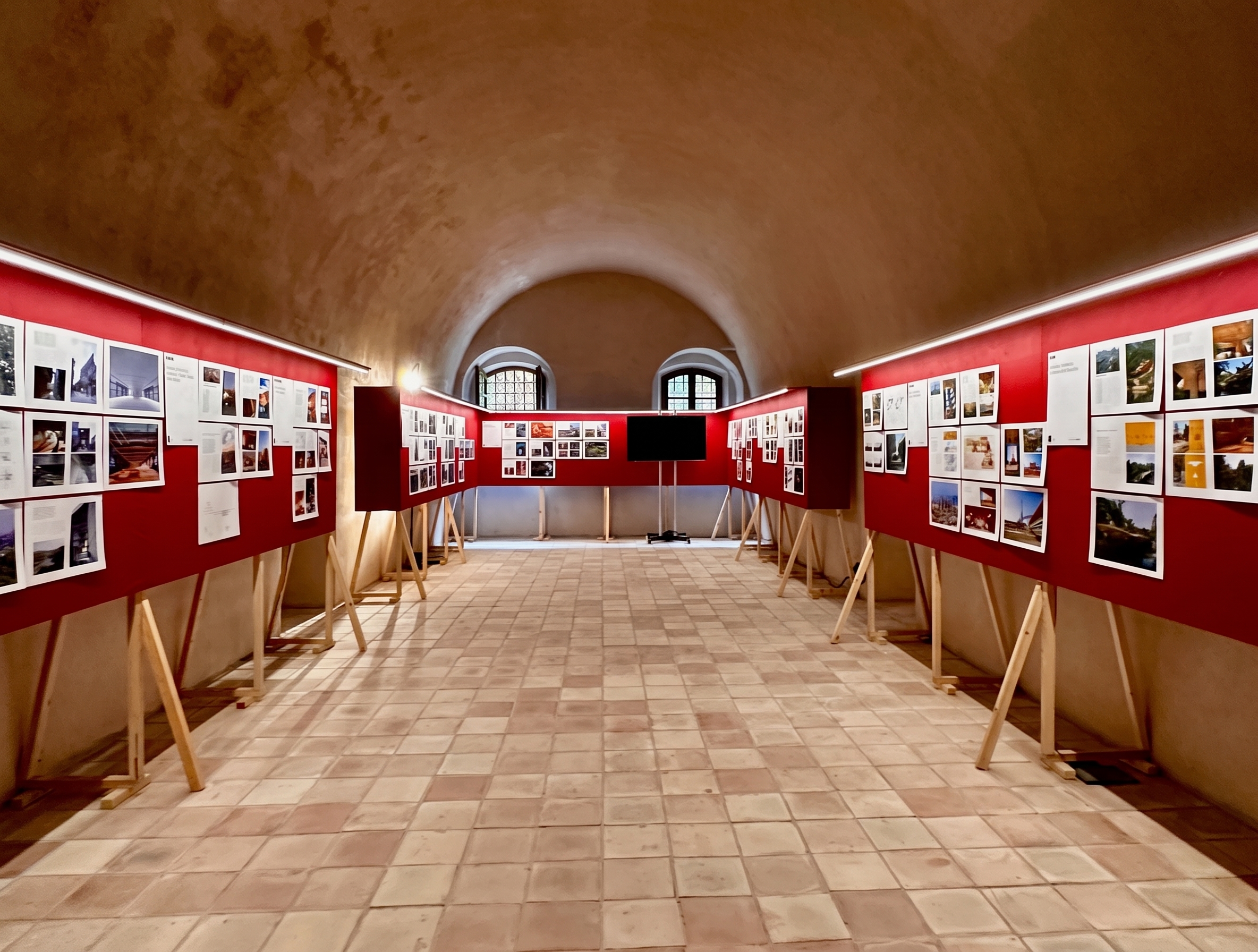 Biennale 2026 © Palatina Cultural Group
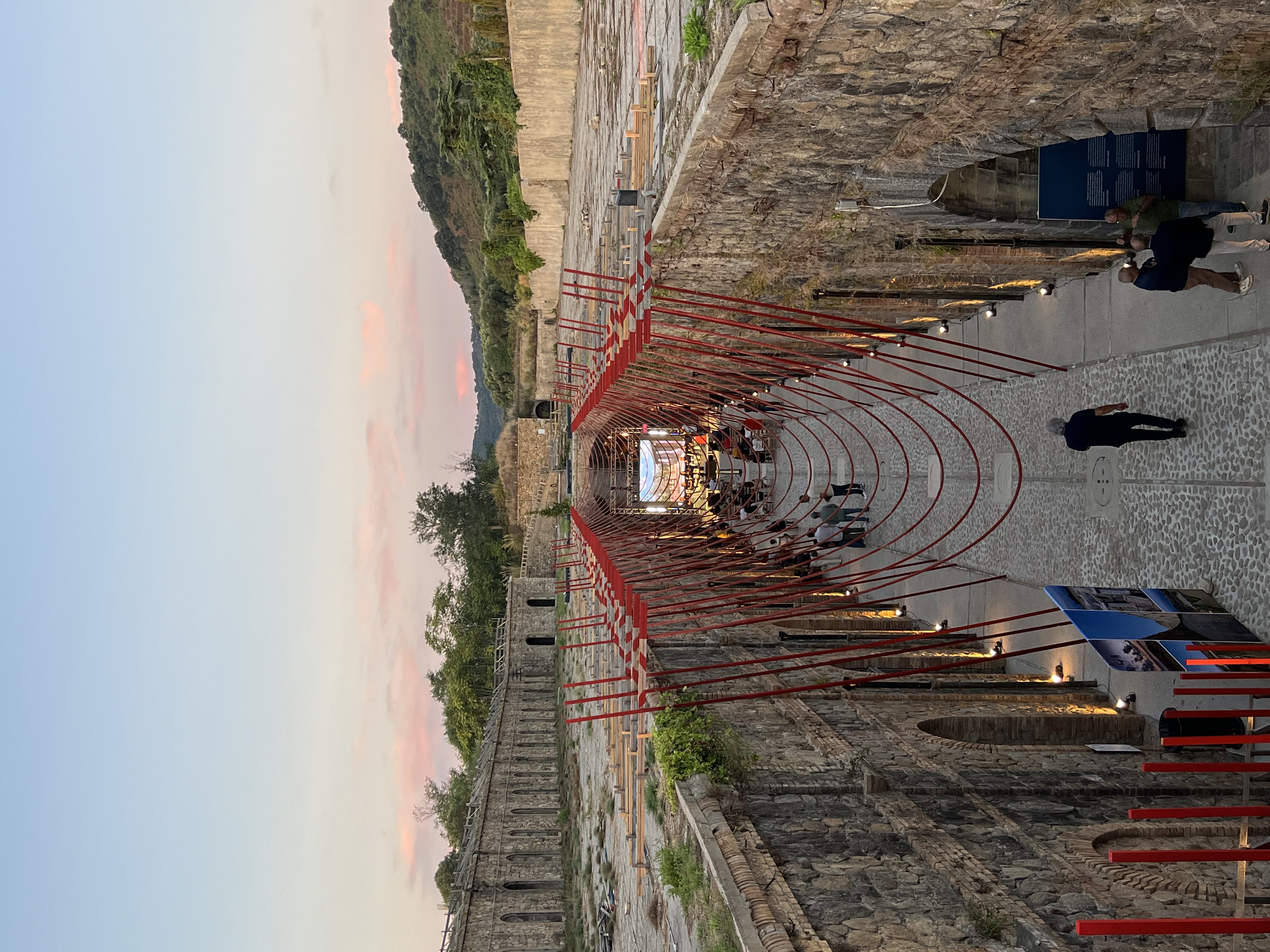
The third edition of the Biennale dello Stretto takes place from September 18 to December 13, 2026, across Campo Calabro, Reggio Calabria, and Messina, Italy. As part of the Biennale, the China-focused exhibition Mutations: Landscapes in Transition, curated by Palatina Cultural Group, presents a generation of Chinese architects exploring the transformation and regeneration of rural landscapes. Jingdezhen Imperial Kiln Museum, designed by Studio Zhu Pei, has been invited to participate in the exhibition, alongside leading architects and practices from contemporary China. Dedicated to architecture, art, photography, anthropology, and the environment, the Biennale provides an international platform for examining transformations in landscapes and cultural contexts.
 Biennale 2026 © Palatina Cultural Group
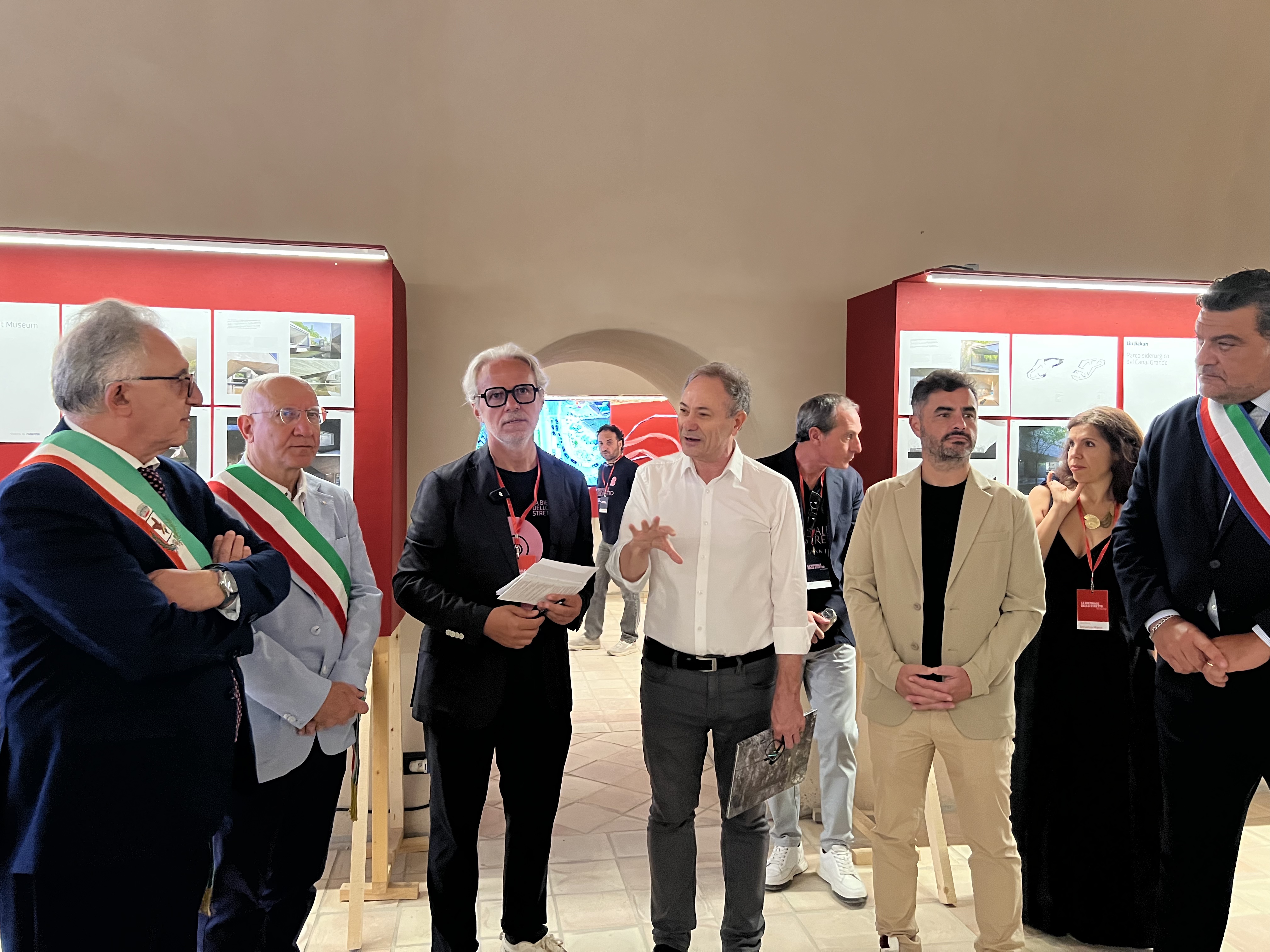
Curated by architect Gaetano Di Gesu, Mutations: Landscapes in Transition considers China as an important experimental context for understanding accelerated urban, regional, and social transformations. Between 1978 and 2020, China underwent rapid urbanization, followed by an emerging movement towards rural revitalization and a renewed engagement with the countryside. This compressed historical trajectory has fundamentally reshaped the relationship between urban and rural territories, creating new conditions for architectural intervention.
 Jingdezhen Imperial Kiln Museum © Tian Fangfang
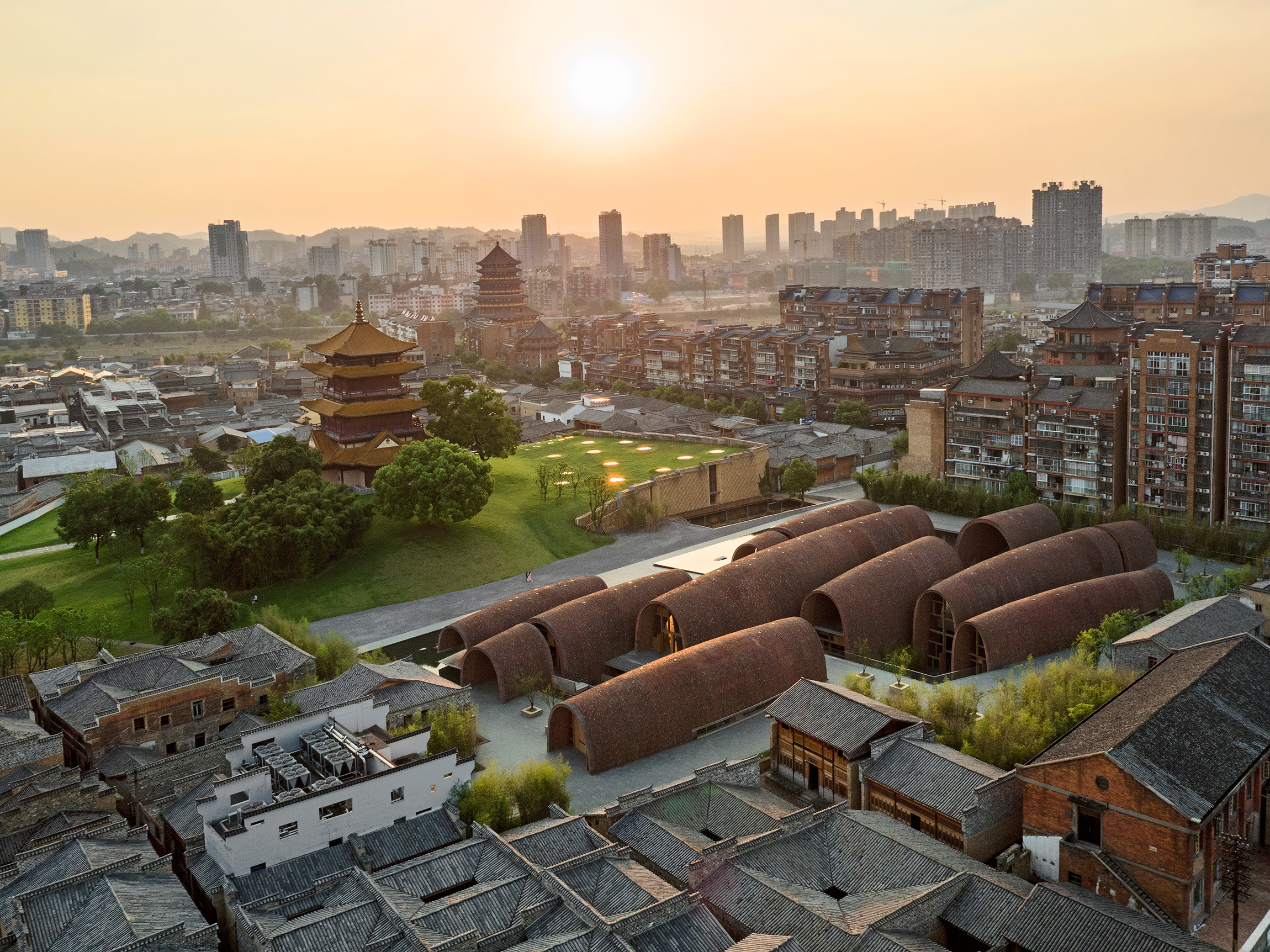
As one of the representative works of Studio Zhu Pei, Jingdezhen Imperial Kiln Museum is situated within the profound ceramic heritage and historic kiln landscape of Jingdezhen. The project explores the relationship between historical remains, local materials, and contemporary urban space through an architectural language rooted in the reinterpretation of traditional building culture. Its participation in Mutations: Landscapes in Transition offers an opportunity to present the museum as an important example of contemporary Chinese architectural practice, contributing to broader discussions on the role of architecture in territorial transformation, cultural continuity, and social development. By bringing contemporary Chinese architectural practices into conversation with the Mediterranean context, the exhibition introduces an extra-Mediterranean perspective to the Biennale. Through the shared themes of water and time as agents of design, it explores the evolving landscapes of the Mediterranean and contemporary China, contributing to international discussions on architecture, rurality, territorial identity, and climate change.
 Biennale 2026 © Palatina Cultural Group
Exhibition Information
Exhibition: Mutations: Landscapes in Transition
Event: 2026 Biennale dello Stretto
Curatorial Section: Palatina Cultural Group
Curator: Gaetano Di Gesu
Dates: September 18 – December 13, 2026
Main Venue: Forte Batteria Siacci, Calabria, Italy
Additional Venues: Reggio Calabria and Messina, Italy
Jingdezhen Imperial Kiln Museum Invited to Participate in the 2026 Biennale dello Stretto
2026.10.02Biennale 2026 © Palatina Cultural Group
The third edition of the Biennale dello Stretto takes place from September 18 to December 13, 2026, across Campo Calabro, Reggio Calabria, and Messina, Italy. As part of the Biennale, the China-focused exhibition Mutations: Landscapes in Transition, curated by Palatina Cultural Group, presents a generation of Chinese architects exploring the transformation and regeneration of rural landscapes. Jingdezhen Imperial Kiln Museum, designed by Studio Zhu Pei, has been invited to participate in the exhibition, alongside leading architects and practices from contemporary China. Dedicated to architecture, art, photography, anthropology, and the environment, the Biennale provides an international platform for examining transformations in landscapes and cultural contexts.
Biennale 2026 © Palatina Cultural Group
Curated by architect Gaetano Di Gesu, Mutations: Landscapes in Transition considers China as an important experimental context for understanding accelerated urban, regional, and social transformations. Between 1978 and 2020, China underwent rapid urbanization, followed by an emerging movement towards rural revitalization and a renewed engagement with the countryside. This compressed historical trajectory has fundamentally reshaped the relationship between urban and rural territories, creating new conditions for architectural intervention.
Jingdezhen Imperial Kiln Museum © Tian Fangfang
As one of the representative works of Studio Zhu Pei, Jingdezhen Imperial Kiln Museum is situated within the profound ceramic heritage and historic kiln landscape of Jingdezhen. The project explores the relationship between historical remains, local materials, and contemporary urban space through an architectural language rooted in the reinterpretation of traditional building culture. Its participation in Mutations: Landscapes in Transition offers an opportunity to present the museum as an important example of contemporary Chinese architectural practice, contributing to broader discussions on the role of architecture in territorial transformation, cultural continuity, and social development. By bringing contemporary Chinese architectural practices into conversation with the Mediterranean context, the exhibition introduces an extra-Mediterranean perspective to the Biennale. Through the shared themes of water and time as agents of design, it explores the evolving landscapes of the Mediterranean and contemporary China, contributing to international discussions on architecture, rurality, territorial identity, and climate change.
Biennale 2026 © Palatina Cultural Group
Exhibition Information
Exhibition: Mutations: Landscapes in Transition
Event: 2026 Biennale dello Stretto
Curatorial Section: Palatina Cultural Group
Curator: Gaetano Di Gesu
Dates: September 18 – December 13, 2026
Main Venue: Forte Batteria Siacci, Calabria, Italy
Additional Venues: Reggio Calabria and Messina, Italy